The Linen Cupboard Audit: Why Most UK Beds Need Two Sets, Not Seven

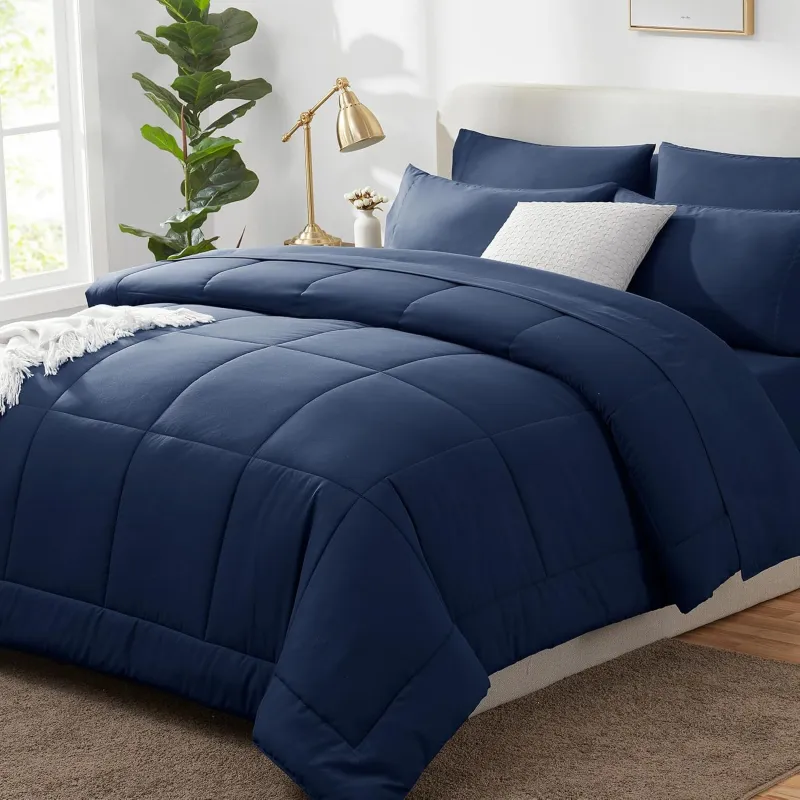
Photo: folded neutral duvet covers and sheets stacked in a UK linen cupboard, via www.va.gov
There is a particular kind of optimism in a bedding sale. Buy one duvet cover, get another half-price, and suddenly your airing cupboard is home to four sets in shades you sort of like and sizes you are fairly sure are right. Fast forward a few months and you are still sleeping under the same favourite cover while the others sit folded in a tower, slightly dusty and definitely not saving you any time.
The truth is that most UK beds do not need a linen library. They need a small, reliable rotation. For the average household, two good bedding sets per bed is the sweet spot: one on the bed, one clean or airing. A third set can be sensible in specific circumstances, but it is not a default requirement. Here is how to work out what your bed actually needs, without turning your spare room into a duvet-cover warehouse.
Start with what actually gets used
Before buying anything else, take everything out of the cupboard. All of it. The mismatched pillowcases, the cover that never quite fitted, the set you bought because it was reduced and then discovered it makes your bedroom look like a budget hotel from 2012. Sort them into three piles: in use, genuinely spare, and why do I still own this?
Most people find they have one or two sets they reach for constantly, a couple of backups with honest flaws, and at least one orphan. That is not a storage problem. It is a buying problem. The goal is not to have a set for every possible mood, season or laundry emergency. It is to have enough bedding to keep the bed fresh without dedicating an entire cupboard to the cause.
The genuine case for two sets
Two sets work because they match the rhythm of normal life. One goes on the bed while the other is washed, dried and folded. If someone spills tea, if a pet leaves a muddy imprint, if a child has a poorly night, you have a clean change ready without waiting for the washing machine to finish.
It also makes laundry less stressful. You are not stripped of bedding for an entire day because the weather turned and the line is now useless. You can put the spare set on, deal with the dirty one when you have time, and avoid that grim moment of making the bed with a still-damp cover because there is no alternative.
For a single adult, a couple, or a spare room that sees occasional use, two sets per bed is usually enough. It is the bedding equivalent of owning one good coat and one lighter jacket: practical, not deprived.
When a third set earns its keep
There are real situations where three sets make sense. A guest bed that is used regularly is one. If visitors arrive and leave in quick succession, having a clean set ready means you are not running a same-day laundry operation every time someone stays over. The same applies if you host family often or use the room as a short-term let.
Slow-drying flats are another. If you live somewhere without outdoor drying space, or your only option is a heated airer in a small room, bedding can take a long time to dry in winter. A third set gives you breathing room. It is not about luxury; it is about not having your bed out of action because the duvet cover is still clinging to moisture on a Tuesday night.
Households with small children, pets that sleep on the bed, or anyone dealing with incontinence or illness may also find a third set genuinely useful. That is not stockpiling. It is contingency planning for the fact that bedding accidents rarely happen at convenient times.
The hidden cost of a cupboard full of covers
Extra bedding feels harmless because it is soft and foldable. But it takes up space, and space in UK homes is rarely free. A bulging airing cupboard makes it harder to find what you need, which leads to more buying because you cannot remember what you already own. Sets get pushed to the back, fibres gather dust, elastic goes slack, and colours fade unevenly.
There is also a decision cost. When you have seven duvet covers, making the bed becomes a small act of choosing rather than a simple routine. The same goes for storage: vacuum bags, under-bed boxes and shelf space all have to work harder than they should for bedding you do not actually use.
And let us be honest about the sales trap. A bargain set is only a bargain if it fits, feels good and gets used. Otherwise it is just clutter with a receipt.
Laundry habits matter more than set count
How often you wash bedding is a personal thing, but most UK households aim for roughly once a week or once a fortnight. The question is not how many sets you own; it is how long a set is out of action. If you have a reliable washing machine and somewhere to dry bedding within a day, two sets will comfortably cover you. If drying takes three days in January, a third set starts to look less like an indulgence and more like common sense.
Think about your actual routine rather than an idealised one. Do you wash on a weekend and line-dry when possible? Do you rely on a tumble dryer? Is there a launderette nearby for bulky items? The answers will tell you more about your bedding needs than any clever storage hack.
Tog changes do not require a new cover collection
Seasonal bedding is often used as an excuse to buy more. In reality, changing from a summer tog to a winter tog does not mean you need a separate set of covers for each duvet. If your duvets are the same size, the same cover fits. An all-season duvet with layers that attach together can reduce the need for storage even further.
The exception is if you use different bed sizes in different seasons, which is unusual, or if you have a guest bed that only gets used in winter. Even then, one spare set for that bed is usually enough.
A simple audit for your cupboard
Ask yourself three questions. First, can I change the bed today without waiting for laundry? If yes, you have enough. Second, do I have a clean set ready for guests or emergencies? If yes, you are covered. Third, does this extra set have a clear job, or is it just taking up space? If it has no job, let it go.
A good rule of thumb is two sets per regularly used bed, plus one extra only where there is a genuine reason: a guest bed, a slow-drying flat, or a household where accidents are common. Everything beyond that needs to justify its shelf space.
Better sleep starts with the right bedding, not with a cupboard full of maybes. Keep the sets you love, wash them regularly, and let the rest go. Your future self, hunting for a matching pillowcase at 10pm, will thank you.