Stiff Sheets, Chalky Kettles: A Practical Guide to Hard Water and Your Bedding
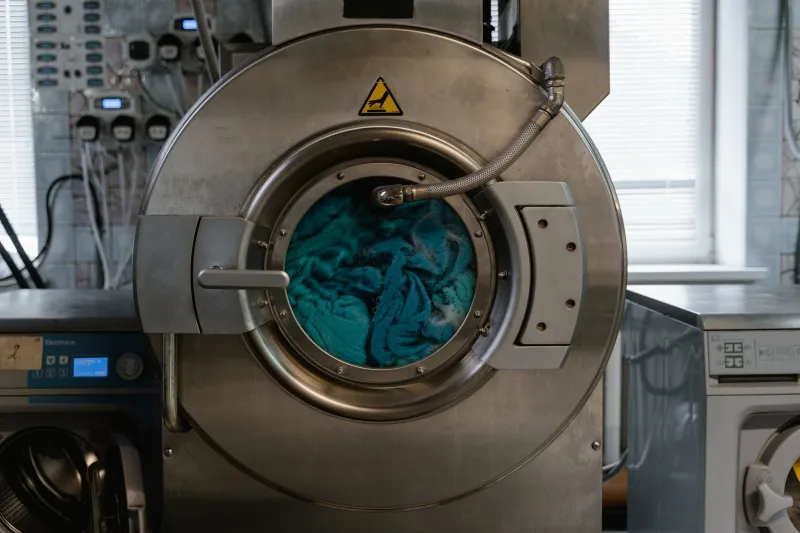
You know the kettle. That pale, crusty ring around the element. That's hard water doing its thing. And if you live in London, the south-east, East Anglia or much of the Midlands, your washing machine is fighting the same minerals every single cycle. It's not a dramatic problem, but it is a persistent one — and it explains a lot of the stiffness, dullness and general 'why don't these sheets feel like they used to' frustration in UK homes.
What hard water actually does to fabric
Hard water is water with a high concentration of calcium and magnesium ions. When you wash bedding, those minerals don't just rinse away. They cling to the fibres, especially cotton and linen, and gradually build up a microscopic coating. Over time, that coating makes fabric feel stiff, look slightly grey or dingy, and lose some of its absorbency.
Microfibre is a bit different. It doesn't absorb water in the same way, but hard-water residue can leave it feeling squeaky or scratchy rather than soft. Bamboo and viscose blends can also suffer, though usually to a lesser degree than cotton.
The key thing to understand is that this is a coating problem, not a fabric-destruction problem. Your sheets aren't ruined. They're just wearing a very thin, very stubborn layer of minerals and detergent residue.
The fabric softener trap
Here's the myth that refuses to die: if sheets feel stiff, add more fabric softener. Please don't. Fabric softener works by leaving a waxy film on fibres. In a soft-water area, that film can feel pleasant. In a hard-water area, it teams up with the minerals and detergent residue to create an even thicker coating. The result is bedding that feels claggy, towels that repel water instead of absorbing it, and a washing machine that needs cleaning more often.
For bedding and towels, skip the softener entirely. If you want a softer feel, the answer is better rinsing and occasional descaling, not more product.
How to tell whether your water is part of the problem
You don't need a laboratory. A few everyday clues will do:
- Your kettle scales up quickly.
- Soap and shampoo don't lather easily.
- Glasses come out of the dishwasher with white smears.
- The detergent drawer of your washing machine feels chalky.
- Sheets stiffen after two or three washes, even when you use a gentle cycle.
Most UK water suppliers publish a water hardness map or postcode checker. It takes two minutes and tells you whether you're in a soft, moderately hard or very hard area. Cheap test strips are also widely available if you want a rough number.
Detergent: less guesswork, more accuracy
In hard water, detergent has to work harder because some of it is used up dealing with the minerals. That doesn't mean doubling the dose. Overdosing is just as bad as underdosing, because excess detergent leaves residue that hard water can't rinse away properly.
Check the dosage instructions on the pack — many detergents list different amounts for soft, medium and hard water. Use the hard-water figure, not a random scoop. Liquid detergents tend to rinse out more easily than powders, which is helpful for bedding. If you prefer powder, look for one that includes a water-softening builder.
A half-cup of washing soda (sodium carbonate, not bicarbonate of soda) added to the drum or detergent drawer can make a real difference. It softens the water, helps the detergent work properly and rinses away more cleanly. It's cheap, widely available in UK supermarkets and not the same thing as baking soda, despite what some online advice suggests.
Temperature and the extra rinse
Wash cotton bedding at 40°C as a sensible default. Linen is happier at 30–40°C. Microfibre can go at 40°C but check the care label. Hotter washes don't automatically solve hard-water problems and can sometimes make mineral deposits more stubborn.
The single most effective free change is the extra rinse cycle. Most modern washing machines have one, often hidden in the settings menu. Use it for every bedding wash if you live in a hard-water area. It costs a little water and electricity, but it makes a noticeable difference to how sheets feel.
Don't overload the drum either. Bedding needs room to move so water and detergent can circulate. A crammed machine is a stiff-sheet factory.
Vinegar, citric acid and the cupboard remedies that work
White vinegar is a genuine help, not a folk myth. Add 50–100ml to the rinse-aid compartment (not the fabric softener drawer, which releases at the wrong time) for an occasional bedding wash. It helps dissolve mineral residue and rinses out cleanly. Don't mix it with bleach.
Citric acid is better for machine maintenance. Once a month, put two tablespoons of food-grade citric acid in the drum and run a hot cycle with no laundry. That keeps the machine itself from becoming a mineral reservoir. You can also use it occasionally to soak stubborn sheets, but a vinegar rinse is usually enough.
Ignore the advice about vinegar ruining elastic. At low dilution and occasional use, it's fine. Just don't soak elasticated bedding in neat vinegar for days on end.
What about softeners and filters?
If you own your home, a plumbed-in water softener is the real fix. It removes the minerals before they reach the washing machine, and the difference to bedding is noticeable within a few washes.
If you rent, a jug filter won't help your laundry because it only treats drinking water. Shower filters don't affect the washing machine. Magnetic 'water conditioners' and ceramic balls have no convincing evidence behind them for this purpose. Be sceptical of anything that promises to soften water without removing or neutralising the minerals.
Drying and storage matter too
Hard water can leave sheets feeling crisp even after a good rinse. A vigorous shake before drying helps. Line drying in a breeze gives a lovely fresh finish, but if the minerals are still present, the sheets can feel board-like. Tumble drying on a low heat with two or three dryer balls softens them mechanically — the balls bounce around and break up the stiffness.
Don't store bedding in a damp airing cupboard. Residual moisture plus minerals is a recipe for mustiness. Make sure everything is bone dry before it goes on the shelf.
A simple hard-water bedding routine
- Don't overload the machine.
- Use the hard-water detergent dose plus a half-cup of washing soda.
- Wash cotton at 40°C, linen at 30–40°C.
- Select the extra rinse cycle.
- Skip fabric softener completely.
- Shake well before drying.
- Run a monthly citric acid machine clean.
- Give sheets a vinegar rinse every few washes.
The bottom line
Hard water isn't a bedding death sentence. It's a variable you can manage. If your sheets feel stiff, don't reach for more softener — reach for an extra rinse and a box of washing soda. Check your water supplier's hardness map, adjust your detergent dose and give your machine an occasional descale. In 2026, the water map hasn't changed much, but the advice still holds: work with your water, not against it.